The Complete Guide to Surface Preparation for Construction & Refurbishment

Share
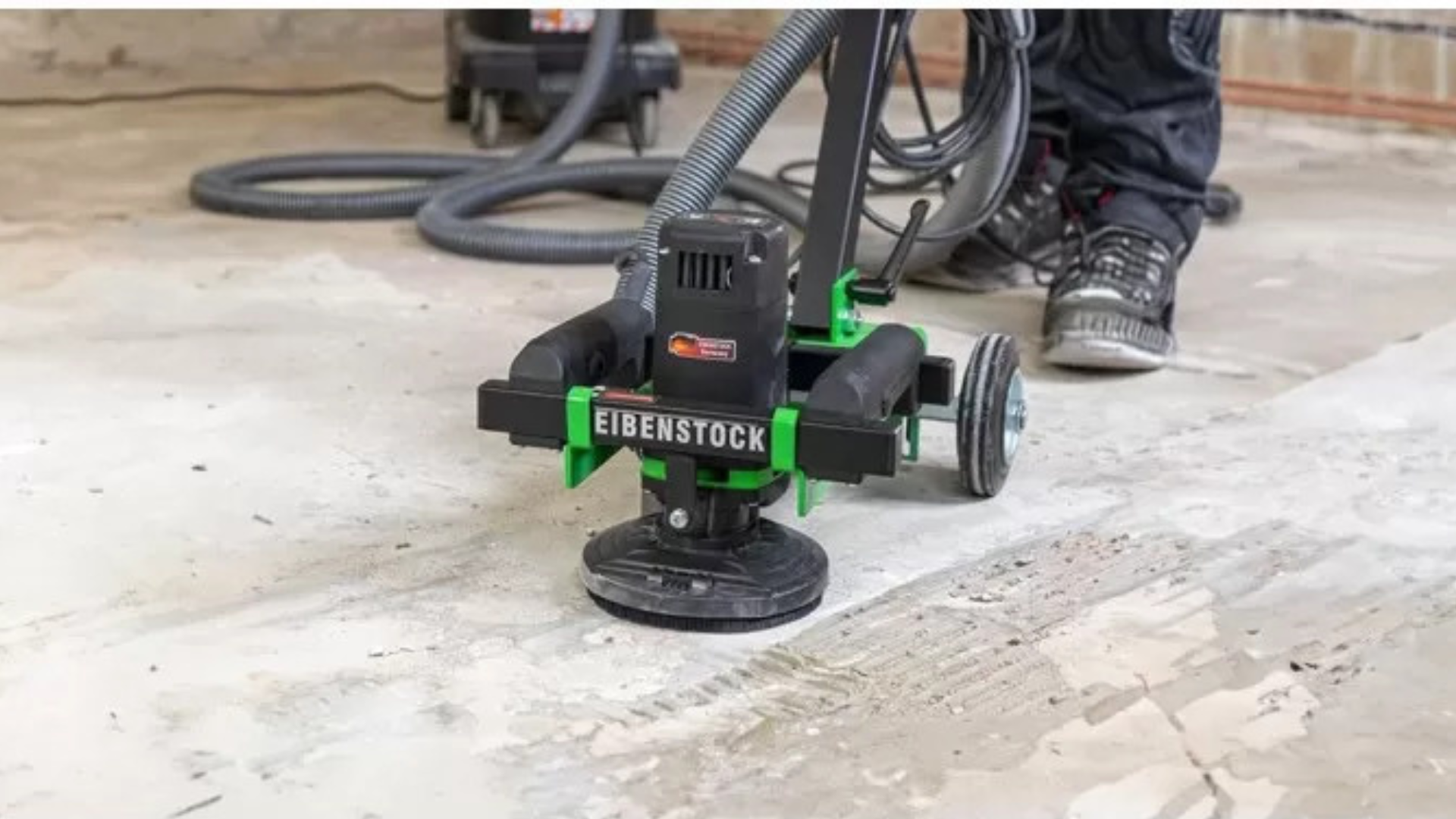
Surface preparation sits at the foundation of every successful construction and refurbishment project. Whether you are installing resin flooring, applying coatings, laying tiles, levelling subfloors, or finishing plaster, the performance of the final layer depends entirely on what lies beneath it.
For professional contractors, surface preparation is not an optional extra; it is a structural requirement. Done correctly, it ensures adhesion, durability, safety and finish quality. Done poorly, it leads to premature failure, costly rework and reputational damage.
This guide is your go-to for surface prep tools, methods, and best-practice workflows. It breaks down the kit and techniques used on site, from grinding and sanding through to scabbling and dust extraction, explaining what each method does and when it makes sense to use it.
What Is Surface Preparation?
Surface preparation refers to the process of mechanically or chemically treating a substrate to ensure it is suitable for its next stage, whether that is coating, bonding, levelling, polishing or finishing.
In construction, this may include:
- Removing existing coatings, adhesives or contamination
- Levelling uneven concrete
- Opening the surface to improve the mechanical key
- Reducing laitance
- Smoothing plaster or render
- Preparing floors prior to screed, tile or resin application
Surface preparation is required in both new builds and refurbishment projects, particularly where:
- Concrete floors need levelling
- Old coatings must be removed
- Substrates have suffered wear or contamination
- High-performance finishes demand strong adhesion
Why Surface Preparation Is Critical
1. Adhesion Performance
Most floor coverings, coatings and screeds rely on mechanical adhesion. If the substrate is smooth, contaminated or poorly prepared, bonding will fail. Grinding, sanding, or scabbling opens the surface, creating the profile necessary for adhesion.
2. Durability
Improperly prepared surfaces often result in cracking, delamination or lifting. Correct preparation ensures long-term structural and cosmetic integrity.
3. Finish Quality
Surface irregularities show through final finishes. A properly prepared substrate provides a consistent, uniform base for professional results.
4. Safety & Compliance
Surface preparation also plays a key role in site safety, especially in managing silica dust exposure. Dust extraction systems are now essential for compliance and workforce protection.
Surfaces That Require Preparation
Surface preparation is required across multiple materials and applications:
Concrete
The most common substrate requires preparation. Concrete floors often need:
- Laitance removal
- Coating removal
- Levelling
- Profile opening for resin or screed
Masonry
Used in refurbishment projects where walls require smoothing or coating removal.
Plaster & Render
Preparation may involve sanding to achieve a consistent finish before decoration.
Floors vs Walls vs Ceilings
- Floors typically require grinding, scabbling or polishing
- Walls and ceilings often require sanding
- Structural repairs may require more aggressive preparation methods
Surface Preparation Methods Explained
Each method offers a different level of aggression, control and finish quality. Choosing the correct technique depends on the material, condition and final requirement.
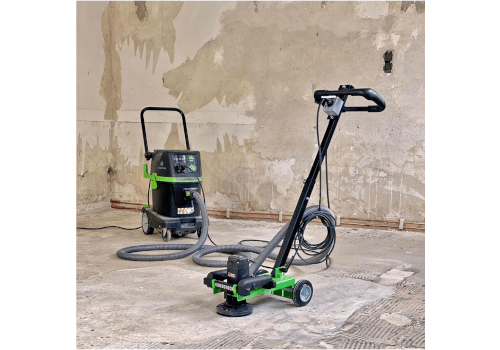
Grinding
Grinding is one of the most widely used methods in professional surface preparation. Grinding uses diamond-embedded tooling to mechanically abrade the surface. It is ideal for:
- Removing coatings and adhesives
- Levelling high spots
- Preparing concrete for resin or screed
- Creating a mechanical key
Grinding provides controlled material removal and is suitable for both large floor areas and detailed edge work. For deeper insight, see our dedicated guide for Diamond Grinders for Professional Surface Preparation.
Sanding
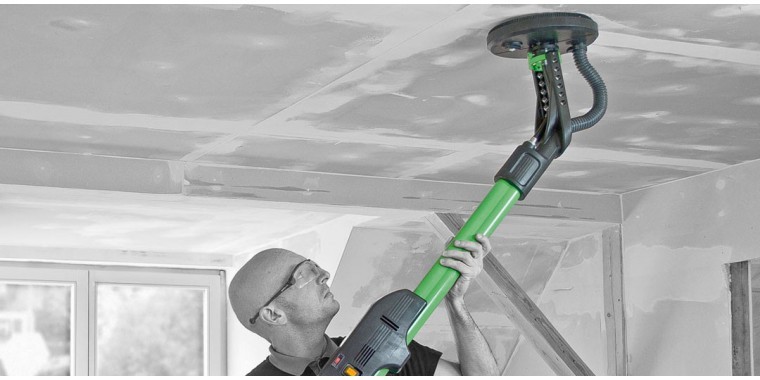
Sanding is a more controlled, less aggressive preparation method typically used on:
- Plaster
- Render
- Drywall
- Timber
- Decorative finishes
Sanding refines surfaces rather than removing significant material. It is essential for:
- Achieving smooth decorative finishes
- Removing minor imperfections
- Preparing walls before painting
Dust extraction remains critical during sanding operations.
Explore further in our Professional Sanders for Surface Preparation cluster guide.
Polishing
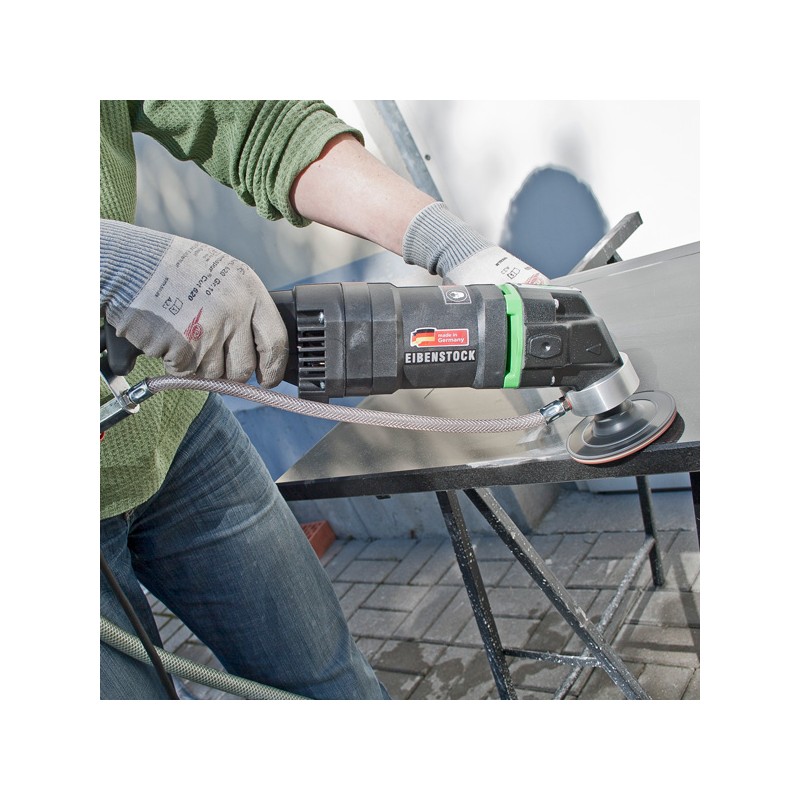
Polishing is typically applied after grinding stages, especially in decorative concrete applications.
Polishing:
- Uses progressively finer diamond tooling
- Enhances surface clarity and reflectivity
- Increases surface density and durability
While polishing is often considered a finishing process, correct preparation stages directly influence its success.
Scabbling
Scabbling is a heavy-duty surface removal method used in structural refurbishment and aggressive material removal.
Scabblers use percussive action to break down the surface. They are suitable for:
- Removing thick coatings
- Reducing concrete levels
- Preparing heavily contaminated substrates
- Structural refurbishment
Scabbling is more aggressive than grinding and should be selected when substantial material removal is required. See our Scabbling & Blasting for Heavy-Duty Surface Preparation guide for detailed comparisons.
Blasting
Blasting propels abrasive material at the surface to remove contamination and create a profile.
Often used for:
- Large-scale floor preparation
- Removing surface contamination
- Creating a uniform texture
Blasting is effective but requires careful dust control and containment.
Overview of Surface Preparation Tools
Professional surface preparation requires purpose-built tools designed for durability, performance and dust control.
Used for concrete surface preparation. Available in:
- Handheld models for detail work
- Floor grinders for large areas
These tools provide controlled abrasion and consistent results.
Ideal for wall and plaster preparation. Options include:
- Wall sanders with extendable reach
- Compact handheld sanders
Used for aggressive removal and structural refurbishment.
Applied to fresh concrete for levelling and smoothing prior to curing.
Essential for safe and compliant operation across all preparation methods.
How to Choose the Right Surface Preparation Method
Selection should be based on a structured assessment:
1. Surface Material
Concrete, plaster, timber and masonry each require different tooling.
2. Surface Condition
Is the surface contaminated, uneven, coated or structurally damaged?
3. Required Finish
Are you installing resin flooring, a decorative coating, or a levelling screed?
4. Working Environment
Indoor environments require stricter dust management.
5. Speed & Efficiency
Large commercial projects demand higher-output machinery.
6. Budget & Tooling Strategy
Balancing tool performance with long-term durability is key.
Safety in Surface Preparation
Surface preparation generates dust, debris and vibration. Proper safety procedures must be followed.
Personal Protective Equipment (PPE)
- Respirators
- Hearing protection
- Eye protection
- Gloves
Dust Extraction
Exposure to silica dust poses serious health risks. Using compatible dust extraction systems with grinders and sanders is critical for compliance and workforce safety.
Safe Operation Practices
- Check tooling before operation
- Maintain correct stance and handling
- Avoid over-grinding or excessive pressure
Step-by-Step: Preparing a Concrete Floor
- Inspect the surface
- Remove loose debris
- Identify coatings or contamination
- Select the appropriate method (grinding, scabbling, etc.)
- Attach a compatible dust extraction
- Begin preparation in controlled passes
- Inspect surface profile
- Address edges and corners
- Vacuum thoroughly
- Confirm surface readiness before the next stage
Common Surface Preparation Problems
Uneven Surfaces
Often caused by inconsistent passes or incorrect tooling selection.
Residue or Coatings Left Behind
Indicates insufficient material removal.
Dust Accumulation
Results from inadequate extraction systems.
Over-Grinding
It can weaken the substrate and create unnecessary damage.
Recommended Professional Tools
For reliable, professional-grade surface preparation, contractors require equipment designed for:
- High torque and performance
- Durable diamond tooling
- Integrated dust extraction compatibility
- Ergonomic operation
EIBENSTOCK’s surface preparation equipment range supports grinding, sanding and structural preparation across commercial and refurbishment environments.
Surface preparation is not simply the first step in construction; it is the stage that determines the success of everything that follows. By selecting the correct method, using professional-grade equipment and maintaining rigorous safety standards, contractors can ensure consistent, durable and compliant results across every project.