Scabbling & Blasting for Heavy-Duty Surface Preparation

Share
Some surfaces need more than a light pass with a grinder. When concrete is uneven, coatings are stubborn, or a substrate needs to be aggressively keyed before repair, scabbling and blasting become the right tools for the job.
These methods are designed for heavier surface preparation work, especially where the aim is not just to smooth a surface, but to remove material, expose a stronger substrate, or create a profile that allows the next layer to bond properly.
For contractors working on refurbishment, repair, renovation, or structural preparation, understanding when to use a scabbler or blaster can make a big difference to the quality, speed, and safety of the job.
What Is Scabbling And Blasting?
Scabbling is an aggressive surface preparation method used to remove coatings, reduce surface levels, roughen concrete, or prepare a substrate for further treatment. Rather than polishing or lightly abrading the surface, a scabbler uses specialist cutters or heads to chip, texture, or mill away the top layer.
Blasting is also used for surface preparation, but it is often chosen where a more controlled surface profile is needed across materials such as concrete, steel, stone, timber, and other metal surfaces. It is particularly effective for removing heavy rust, corrosion, old paint, coatings, and surface contaminants while preparing the substrate for repair, refinishing, or protective treatments. EIBENSTOCK’s ESM 1311 Surface Blaster, for example, is designed for dust-controlled surface preparation across a wide range of materials.
In simple terms, grinding is usually about smoothing, levelling, or removing thinner layers. Scabbling and blasting are for tougher preparation where the surface needs to be opened up, stripped back, or heavily keyed.
When Is Scabbling Required?
Scabbling is typically needed when the surface is too hard, uneven, contaminated, or heavily coated for standard preparation methods.
Removing Coatings
Old coatings can be difficult to remove, especially when they are thick, bonded, or layered over time. Paint, render, adhesive, waterproofing layers, and cement-based coatings may all need aggressive removal before a new finish can be applied.
A scabbler helps break through these layers and expose the substrate beneath. This is especially useful during refurbishment work where the existing surface condition is poor or unknown.
Preparing Concrete Levels
There are times when concrete needs to be prepared or physically roughened rather than simply smoothed. This could be because the surface is too high, uneven, or damaged, or because it is preventing the proper installation of a new floor or finish.
Scabbling can remove material in a controlled way, making it suitable for level correction and localised preparation work.
Structural Refurbishment
In structural repair, the aim is often to remove weak, loose, or contaminated material so that the sound concrete beneath can be properly treated. Scabbling helps create a roughened profile, which can improve mechanical bonding for repair mortars, coatings, or overlays.
This makes it particularly useful in refurbishment projects where durability matters and surface preparation cannot be rushed.
Scabbling vs Grinding: What’s The Difference?
Scabbling and grinding are often grouped together under surface preparation, but they are not the same.
Grinding uses diamond segments or abrasive discs to smooth, level, or remove surface material. It is generally the better option when the task requires precision, a flatter finish, or coating removal without excessive surface damage. EIBENSTOCK’s diamond grinder range is built for grinding and levelling concrete, screed, stone, epoxy, and cement coatings.
Scabbling is more aggressive. It is used when the surface needs to be roughened, reduced, or broken back. Instead of creating a smoother finish, it leaves a textured or roughened surface that is suitable for bonding, repair, or heavy-duty preparation.
A simple way to look at it:
| Method | Best For | Surface Finish |
| Grinding | Smoothing, levelling, coating removal, edge work | Flatter and more controlled |
| Scabbling | Heavy removal, roughening concrete and refurbishment | Roughened or textured |
| Blasting | Creating a consistent surface profile across different materials | Controlled textured profile |
The right choice depends on the surface condition and what needs to happen next. If the next stage requires a smooth floor, grinding may be better. If the next stage needs a mechanical key or deeper surface removal, scabbling is usually more appropriate.
Types Of Scabblers And Blasters
Different jobs need different levels of aggression, control, and coverage. EIBENSTOCK offers a range of surface preparation tools that suit different working conditions and material removal requirements.
Handheld Scabblers
Handheld scabblers are useful for smaller areas, vertical surfaces, edges, repairs, and controlled removal work. They allow the operator to work with precision, where larger machines may be too awkward.
The EIBENSTOCK EPF 1503 Scabbler is a heavy-duty 1500W scabbler with adjustable depth and a 140mm head, designed for removing render and plaster.
Surface Scabblers For Walls And Floors
For larger renovation and preparation work, a surface scabbler can help cover more area while still delivering aggressive material removal.
The EPO 180 H Surface Scabbler is a renovation and surface preparation scabbler suitable for interior and exterior walls and floors. It is a good option where contractors need a more robust approach than standard grinding.
Multi-Disc Scabblers
Where speed and control are both important, a multi-disc scabbler can be useful. These tools are designed to remove material efficiently while helping the operator maintain a more consistent working pattern.
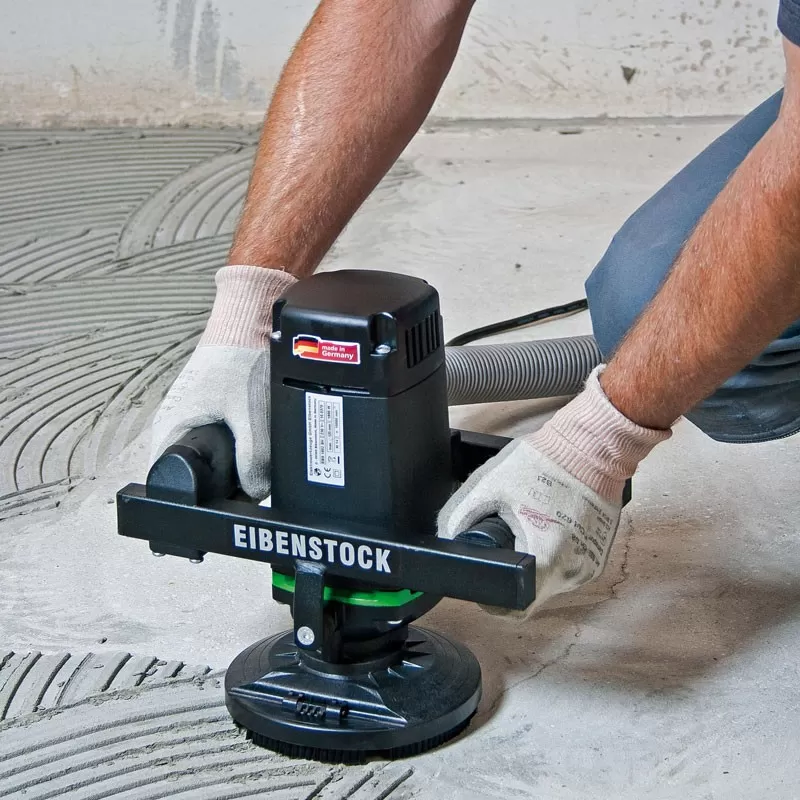
The EPF 200-3 Surface Renovation Miller Scabbler features a 1500W motor, three-disc design, 200mm working width, depth adjustment up to 5mm, and dust extraction support, making it suitable for coating removal and wall or floor preparation.
This makes it useful when contractors are dealing with varied materials or need to prepare a surface without relying solely on a grinder.
Material Removal Depth And Control
One of the biggest advantages of using the right scabbler is the control it provides. Heavy-duty preparation does not mean uncontrolled removal. In fact, for refurbishment and repair work, controlled removal is essential.
Too little removal can leave behind weak material, old coatings, or contamination. Excessive removal can damage the substrate, increase repair costs, and make the project more expensive.
That is why depth adjustment, head size, working width, and cutter type all matter. A smaller handheld scabbler may be better for detail work, while a wider surface preparation machine may be better for larger open areas. The goal is to match the tool to the surface, not force a single machine to handle every task.
Aggressiveness Explained
In surface preparation, “aggressive” does not simply mean powerful. It refers to how strongly the tool acts on the surface.
A more aggressive tool will remove material faster and create a rougher profile. This is useful when preparing concrete for repair, removing stubborn coatings, or reducing high spots. A less aggressive approach is better when the surface only needs smoothing or light preparation.
The aggressiveness of the tool depends on:
- The machine type
- Cutter or disc selection
- Working speed
- Pressure applied by the operator
- Surface hardness
- Required finish
- Depth of removal
For example, a scabbler fitted with tungsten cutters will behave differently from a diamond grinder. The grinder may be better for controlled levelling, while the scabbler is better for breaking back or heavily keying the surface.
Dust Extraction Is Not Optional
Scabbling, blasting, and grinding can all create significant dust, especially when working on concrete, render, screed, or old coatings. This dust can affect visibility, tool performance, site cleanliness, and worker health.
Good dust extraction should be considered part of the system, not an add-on. Many EIBENSTOCK surface preparation tools are designed for dust-controlled operation or for compatibility with dust extraction, including the EPF 1503 Scabbler, EPF 200-3 Surface Renovation Miller Scabbler, and ESM 1311 Surface Blaster.
Using suitable extraction helps keep the work area cleaner, reduces airborne dust, and supports safer working practices on site.
Recommended EIBENSTOCK Scabblers And Blasters
For contractors choosing a machine, the best option depends on the surface area, material type, required removal depth, and finish.
| Tool | Best Suited To |
| EIBENSTOCK EPF 1503 Scabbler | Controlled preparation of render and plaster, especially where adjustable depth and handheld control are needed. |
| EIBENSTOCK EPO 180 H Surface Scabbler | Renovation and surface preparation on interior and exterior walls and floors. |
| EIBENSTOCK EPF 200-3 Surface Renovation Miller Scabbler | Larger wall and floor preparation where speed, working width, depth control, and dust extraction are important. |
The best results usually come from choosing the tool around the job, not the other way round. A small repair area, a heavily coated floor, a concrete preparation task and a mixed-material refurbishment project may all require different preparation methods.
Getting The Surface Ready For What Comes Next
Scabbling and blasting are not just about removing material. They are about preparing the surface properly for the next stage of work.
Whether the job involves removing old coatings, roughening concrete, reducing surface levels, or preparing a substrate for repair, the aim is the same: create a sound, clean, and suitable surface that allows the next layer to perform as intended.
With the right EIBENSTOCK scabbler, blaster, or grinder, contractors can approach heavy-duty surface preparation with better control, cleaner working, and greater confidence on site.