Keeping Your Worksite Dust-Free: Pro Tips for Safer Grinding, Polishing, and Sanding

Share
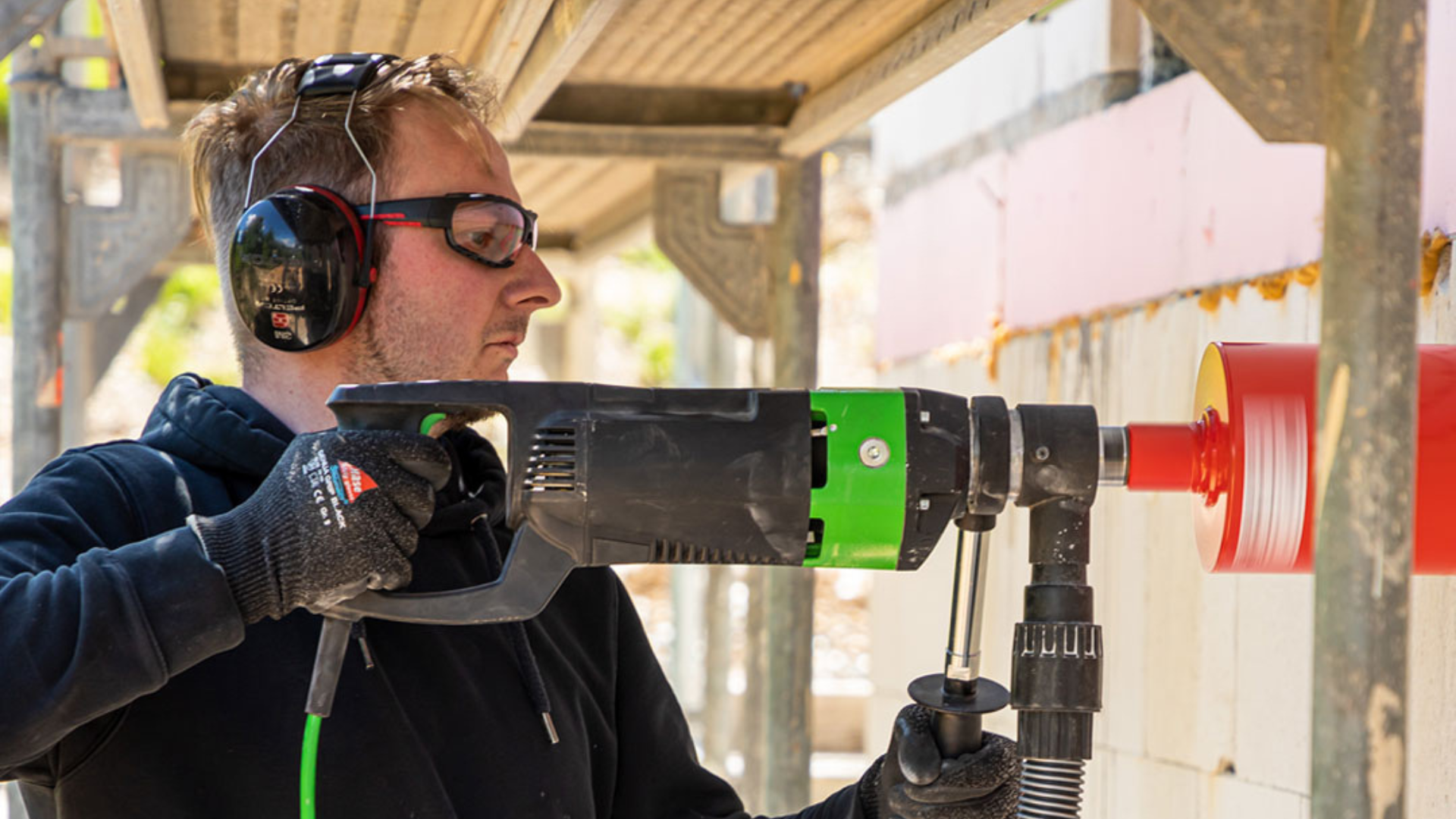
Dust is part of almost every surface preparation job. Whether you are grinding concrete, sanding plaster, removing old coatings or polishing a floor, fine particles can spread quickly across the worksite.
But dust should never be treated as “just part of the job”.
On-site, dust can reduce visibility, clog tools, settle on finished surfaces and create extra clean-up. More importantly, fine construction dust can be inhaled, putting operators and nearby workers at risk. When working with concrete, screed, brick, mortar, or stone, silica dust may also be present, making proper dust control even more important.
For contractors, a cleaner worksite is not only more professional. It is safer, easier to manage and better prepared for the next stage of work with an effective dust extraction system.
Where Dust Builds Up Most
Some surface preparation tasks create more dust than others. Understanding where the dust comes from makes it easier to control it properly.
Grinding
Grinding is one of the highest-dust tasks, especially on concrete, screed, stone, cement coatings, epoxy and adhesive residues. Because the tool removes material aggressively, dust is created directly where the disc meets the surface.
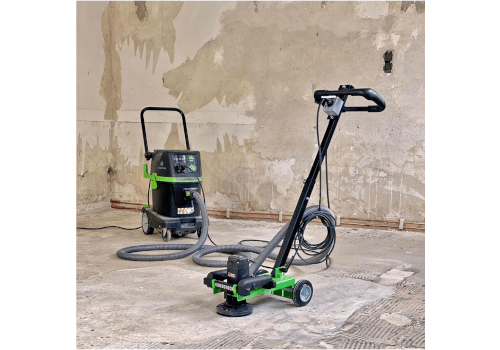
Using a compatible dust hood and extraction vacuum helps capture dust before it becomes airborne. EIBENSTOCK diamond grinders are designed for demanding surface preparation work and can be paired with suitable dust extraction systems for cleaner, more controlled grinding.
Sanding
Sanding may look less aggressive, but it can produce substantial fine dust. This is common when working with plaster, fillers, timber, paint, dry coatings and flooring materials.
A sander with proper extraction helps remove dust as it is created, reducing spread across walls, floors, tools and nearby surfaces.
Polishing
Polishing can also generate fine dust, especially during the early stages of surface refinement. On concrete and stone, dry diamond polishing without extraction can leave residue across the surface and in the air.
Good dust control helps keep the surface cleaner between passes and supports a better-quality finish.
Capture Dust At The Source
The best way to manage dust is to stop it from spreading in the first place.
Instead of letting dust enter the air and cleaning it later, connect the tool to a suitable dust extraction system while the work is being done. A good setup usually includes:
- A grinder, sander or polisher with a dust hood or extraction port
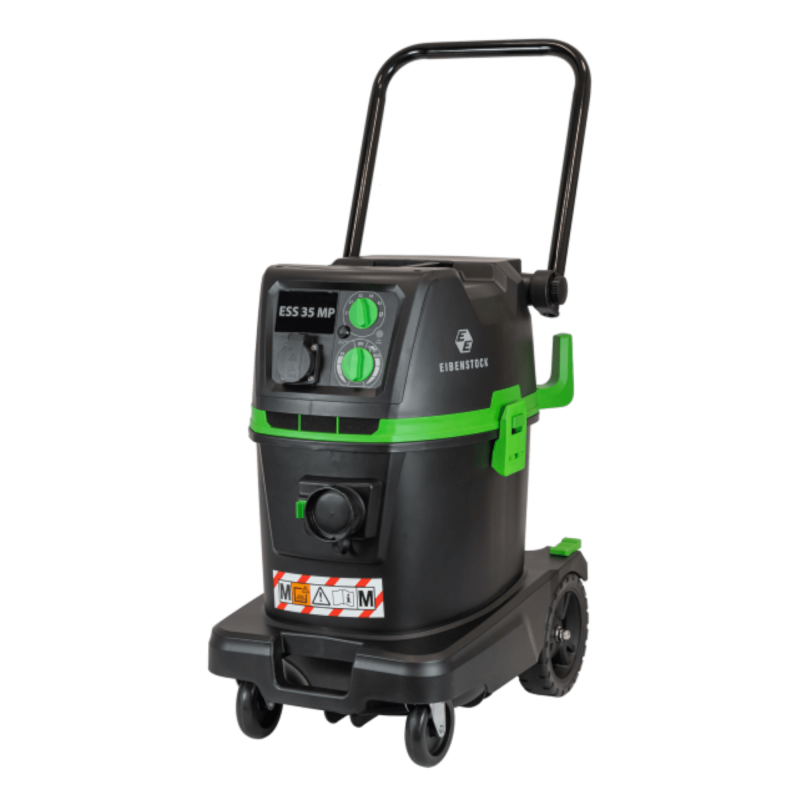
- A compatible EIBENSTOCK dust extraction vacuum
- Secure hose connections
- The correct filters for the dust being collected
- Clean bags or collection containers
- Respiratory protection where required
Every part of the setup matters. Even a powerful extractor will struggle if the hose is loose, the filter is blocked, or the dust hood is not sitting properly against the surface.
Choosing The Right Extraction Setup
EIBENSTOCK offers dust extraction systems and accessories designed for professional cutting, grinding, drilling, sanding and surface preparation.
The right extractor depends on the material, the task and the level of dust risk.
As a simple guide:
- M-Class extractors are used for many common construction dusts, including concrete, screed, mortar and masonry dust
- H-Class extractors are used where highly hazardous dusts are present and stronger filtration is required
For many grinding and sanding jobs involving concrete or masonry, M-Class extraction is often the more suitable option.
EIBENSTOCK dust extraction vacuums are designed to work with professional power tools and help maintain suction during demanding use. When paired with the correct hoses, filters and accessories, they help create a more controlled working environment.
Practical Ways To Reduce Dust On Site
Good dust control is not only about having the right equipment. It also depends on how the job is carried out.
Plan Before Starting
Before switching on the tool, consider the material, the work area and who else may be affected. Ask whether silica dust may be present, whether the area is occupied, what extraction class is needed and whether respiratory protection is required.
Keep The Hood Close To The Surface
For grinders and sanders, the dust hood or guard should be properly positioned against the surface. If the tool is lifted too often or held at the wrong angle, dust can escape before the extractor captures it.
Let The Tool Do The Work
Pressing too hard can create more dust, strain the tool and reduce extraction efficiency. Use the correct disc, pad or abrasive for the material and work in steady, controlled passes.
Check Hoses And Filters
Loose hoses, damaged connections and blocked filters reduce suction. Check the setup before and during the job, and use filter cleaning functions where available.
Separate Dusty Areas
Where possible, keep dusty work away from clean or finished areas. Use temporary screening, close doors and control access where needed, especially in occupied buildings or refurbishment projects.
Clean As You Go
Do not leave all cleaning until the end. Use the extractor throughout the job to remove dust from surfaces and floors. Avoid dry sweeping, as this can push fine dust back into the air.
Staying Safe And Compliant
Dust control is also part of safe working practice. In the UK, contractors need to manage exposure to harmful dust in line with health and safety requirements, such as COSHH.
This means assessing the risk, using suitable controls, maintaining equipment, and ensuring workers know how to reduce exposure. Depending on the task, this may include dust extraction, respiratory protection, safe working methods and proper disposal of collected dust.
A Cleaner Site Starts With The Right System
Grinding, polishing, and sanding will always create dust. The difference is whether that dust is allowed to spread or controlled at the source.
With the right EIBENSTOCK grinder, sander or polisher, a compatible dust extraction vacuum and the correct accessories, contractors can work more cleanly, safely and efficiently.
A good dust extraction setup protects workers, keeps the site under control and helps deliver a better finish. For regular surface preparation work, it should be treated as part of the tool system itself, not an optional extra.
Explore the full EIBENSTOCK range of dust extraction vacuums and accessories online today to ensure you’re safe on the job.