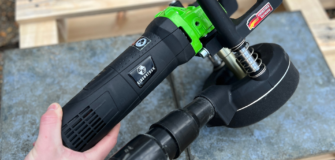
Professional Diamond Grinders: When & How To Use Them for Surface Preparation

Share
Surface preparation is one of the most important stages in construction, refurbishment, and flooring projects. Whether you’re preparing concrete floors for coatings, removing old adhesives, or levelling uneven surfaces, achieving the correct surface profile determines the success and longevity of the final finish.
Among the most effective tools used by professionals are diamond grinders. These tools are designed to effectively remove material efficiently while producing a consistent surface finish.
In this guide, we explore what diamond grinders are, when to use them, and how professionals use them to properly prepare surfaces.
What Is a Diamond Grinder?
A diamond grinder is a surface preparation tool designed to remove material from hard and tough surfaces such as concrete, screed, stone, and masonry.
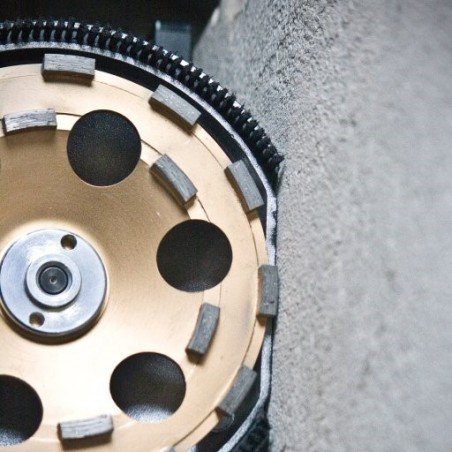
Instead of traditional abrasives, diamond grinders use diamond grinding discs or cups, which contain industrial-grade diamond segments embedded in a metal matrix. Diamonds are one of the hardest materials available, allowing grinders to:
- Remove coatings and adhesives
- Level uneven surfaces
- Prepare concrete for coatings or flooring
- Smooth rough concrete finishes
- Open concrete pores for improved adhesion
Because of their efficiency and durability, diamond grinders are widely used in professional refurbishment and flooring preparation projects.
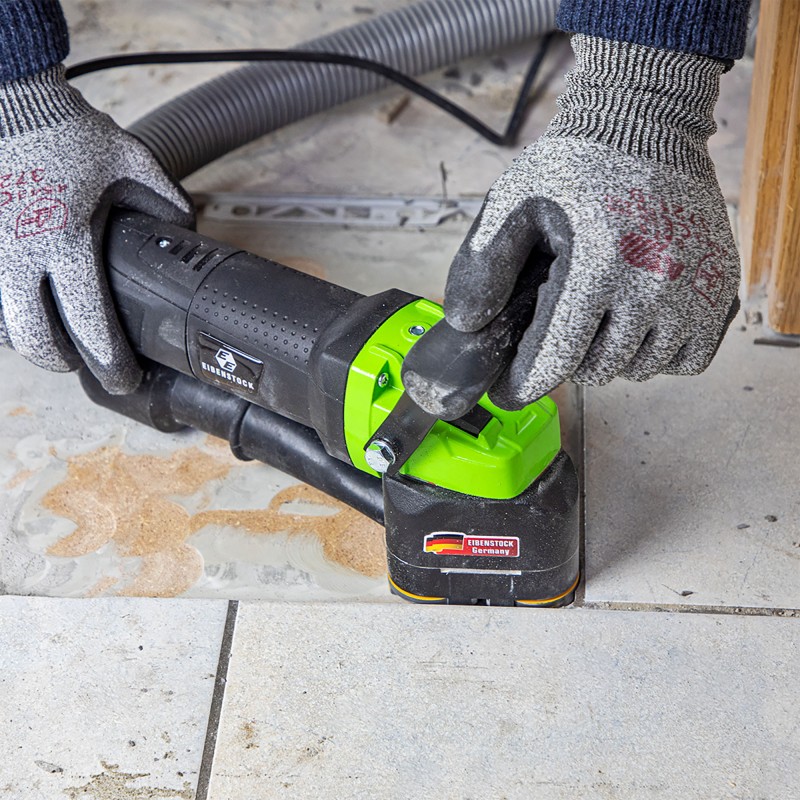
Why Diamond Grinders Are Used in Surface Preparation
Surface preparation often requires removing old materials while creating the correct surface profile for the next stage of construction.
Diamond grinders are particularly effective because they offer:
Controlled Material Removal
Grinding allows contractors to remove thin layers of concrete with precision, making it suitable for levelling surfaces without causing structural damage.
Consistent Surface Profiles
Grinding produces a uniform surface texture, improving adhesion for coatings, screeds, adhesives, and flooring systems.
Versatility Across Applications
Diamond grinders can be used for:
- Concrete floor preparation
- Adhesive removal
- Paint and coating removal
- Surface smoothing
- Preparing floors before epoxy coatings
This versatility makes them a core tool in professional surface preparation toolkits.
When Should You Use a Diamond Grinder?
Diamond grinders are typically used when surfaces require controlled removal or smoothing rather than aggressive demolition.
Common scenarios include:
Preparing Concrete Floors
Before applying coatings, sealers, or screeds, concrete floors must often be ground to remove contaminants and create the correct surface profile.
Grinding helps to:
- Remove laitance
- Open concrete pores
- Improve coating adhesion
Removing Coatings and Adhesives
Old paint, epoxy coatings, tile adhesives, and floor coverings often need to be removed before installing new flooring.
Diamond grinders allow contractors to remove these materials efficiently while maintaining control over the depth of material removal.
Levelling Uneven Surfaces
Grinding is frequently used to correct:
- High spots in concrete slabs
- Uneven floor surfaces
- Minor surface imperfections
This ensures a flat substrate ready for flooring installation.
Surface Preparation Before Polishing
Concrete polishing projects often begin with grinding to remove surface imperfections, followed by progressively finer abrasives to refine the surface.
Types of Diamond Grinders
Diamond grinders come in different configurations depending on the surface size and the type of preparation required.
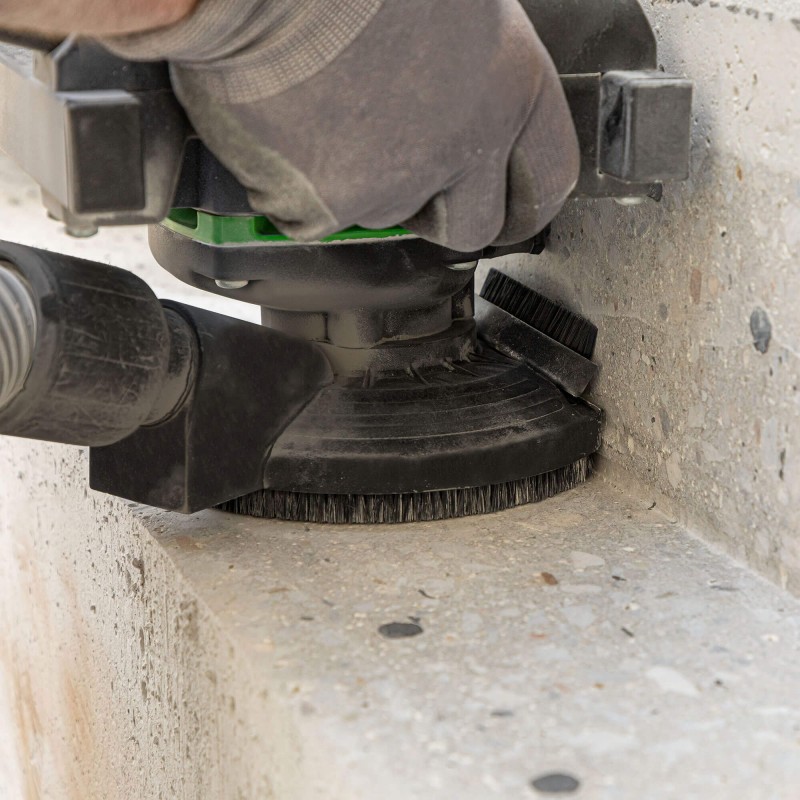
Handheld Diamond Grinders
Handheld grinders are commonly used for:
- Edge grinding
- Smaller preparation areas
- Wall preparation
- Tight spaces
They offer flexibility and mobility, making them ideal for detail work and smaller refurbishment projects.
Floor Diamond Grinders
Floor grinders are larger machines designed for preparing large concrete floor areas.
They provide:
- Faster coverage
- Consistent grinding depth
- Improved productivity
These machines are widely used in:
- Commercial flooring preparation
- Industrial refurbishment
- Warehouse floor preparation
Choosing the Right Diamond Grinder
Selecting the correct grinder depends on several project variables.
Surface Size
Large floor areas typically require floor grinding machines, while handheld grinders are better suited to smaller surfaces or edge work.
Material Hardness
Different concrete hardness levels require different diamond segment bonds.
- Soft concrete requires harder bonds
- Hard concrete requires softer bonds
Using the wrong bond type can lead to inefficient grinding or excessive tool wear.
Desired Finish
The surface profile required for the next stage of construction determines the grit size used.
- Coarse grits remove material quickly
- Finer grits refine the surface finish
Choosing the correct grit sequence ensures the correct surface preparation outcome.
Understanding Diamond Grinding Discs
The performance of a diamond grinder largely depends on the diamond grinding disc used.
These discs vary based on:
Segment Bond Type
The bond determines how quickly diamonds are exposed during grinding.
- Hard bond – for soft concrete
- Soft bond – for hard concrete
Diamond Grit Size
Grit size determines the level of surface refinement.
Typical applications include:
- Coarse grinding for coating removal
- Medium grinding for levelling
- Fine grinding for surface refinement
Selecting the correct combination of bond and grit is critical to achieving efficient surface preparation.
Why Dust Control Is Essential When Grinding
Grinding concrete generates significant amounts of dust and silica particles, posing serious health risks.
Silica dust exposure is linked to respiratory diseases and is tightly regulated on construction sites.
Effective dust control helps to:
- Protect worker health
- Improve visibility
- Maintain site safety
- Comply with workplace regulations
For this reason, professional grinding systems are often paired with dust extraction units designed for construction environments.
Dust extraction also improves efficiency by preventing dust from interfering with grinding performance.
Can You Use a Diamond Grinder Indoors?
Yes, diamond grinders are commonly used indoors for refurbishment projects, provided the correct dust control measures are in place.
Indoor grinding typically requires:
- Dust extraction systems
- HEPA filtration
- Proper ventilation
- Appropriate personal protective equipment (PPE)
Using dust extraction systems designed for surface preparation helps ensure that indoor grinding remains safe and compliant with health regulations.
How Deep Does a Diamond Grinder Remove Material?
Diamond grinders are designed for controlled material removal.
Typical grinding depths range from:
- Light surface preparation – fractions of a millimetre
- Coating removal – several millimetres, depending on the material
For deeper surface removal, more aggressive tools such as scabblers or blasting equipment may be required.
This highlights the importance of selecting the correct surface preparation method for the task.
Recommended Tools for Professional Surface Preparation
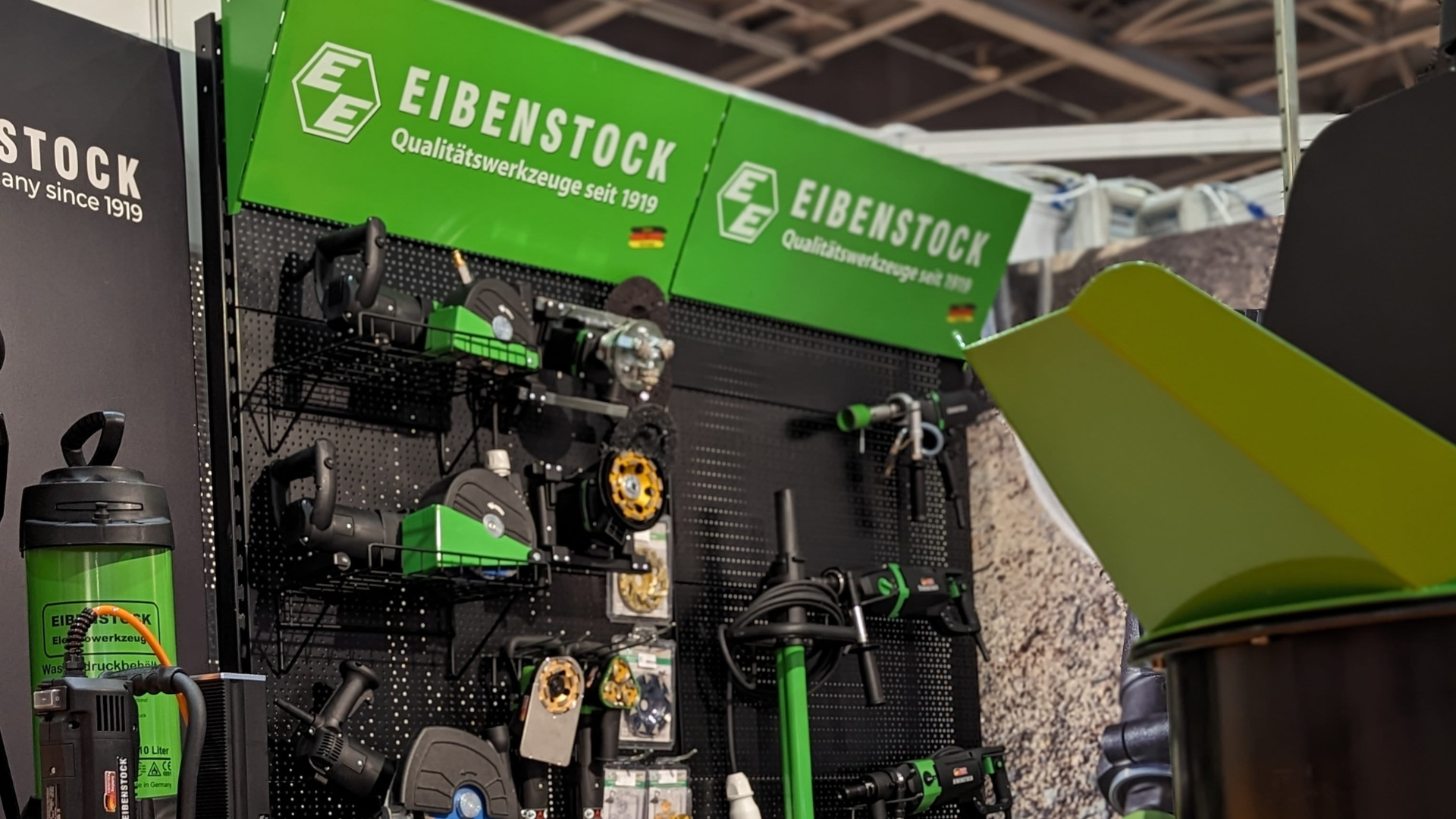
Choosing the correct grinding equipment plays a major role in the efficiency and quality of surface preparation projects. Professional contractors often rely on high-performance diamond grinders designed specifically for construction environments.
EIBENSTOCK offers a range of surface preparation tools designed for demanding site conditions, including machines suited to:
- Concrete grinding
- Coating removal
- Surface levelling
- Floor preparation
These tools are engineered to provide durability, precision, and compatibility with professional dust extraction systems, helping contractors achieve consistent surface preparation results.
Using the correct tools at each stage ensures that the surface preparation process delivers long-lasting results and improved finish quality.
By selecting the right grinding equipment, diamond discs, and dust control systems, contractors can achieve consistent results while maintaining safe working conditions. When used as part of a well-planned preparation process, diamond grinding helps ensure surfaces are ready for coatings, flooring, or further finishing work.