Wall Chaser vs Angle Grinder: Which Tool Should You Use?

Share
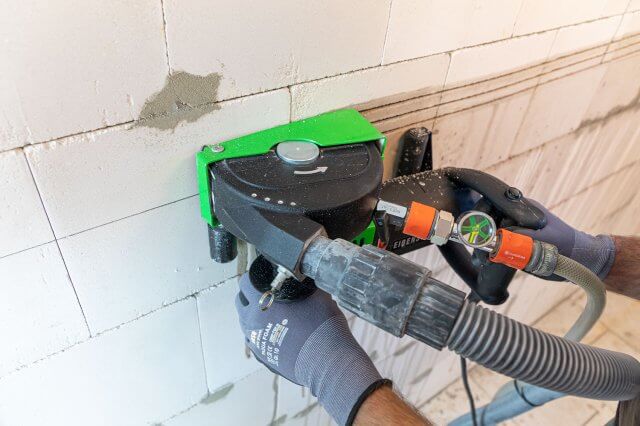
Cutting channels into masonry and concrete is a common requirement across electrical, plumbing and construction work. Choosing the right tool can make a significant difference to cutting speed, accuracy, operator control and dust management.
Two tools commonly considered for the job are a dedicated wall chaser and an angle grinder. While both can be used to cut masonry, they are designed with different applications in mind. An angle grinder is a versatile general-purpose tool, whereas a wall chaser is purpose-built for producing consistent channels for cables, conduit and pipework.
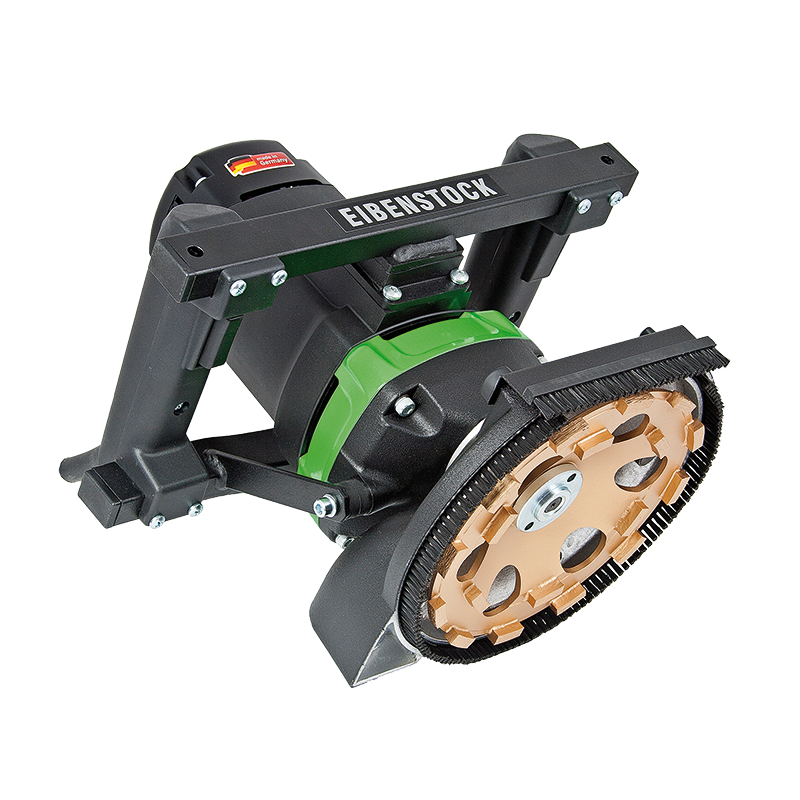
For professional wall chasing, however, the differences go beyond simply making two parallel cuts. EIBENSTOCK wall chasers incorporate features designed to improve handling and productivity, including integrated rollers that help support the machine when plunge cutting into a surface. Selected EIBENSTOCK wall chasers can also be fitted with a third blade, helping with the breakout of material between the cuts and making the channel preparation process more efficient.
Another key difference is the direction of blade rotation. Unlike most angle grinders and many other machines, EIBENSTOCK wall chasers use a cutting rotation that pulls the machine into the wall rather than pushing it away from the operator. This can help with machine control during cutting, while the machine’s weight is lifted as it is pulled into the surface. Combined with the dust hood and compatible dust extraction, this design also helps capture dust and debris close to the cutting point, reducing the amount of clean-up required.
In this guide, we’ll compare wall chasers and angle grinders across cutting depth, accuracy, speed, dust extraction and operator control, and explain which tool is best suited to different masonry and concrete applications.
What Is a Wall Chaser?
A wall chaser is a specialist power tool designed to cut channels into brick, block, masonry and concrete.
Most wall chasers use two parallel diamond discs to create two cuts at a set width. The material between the cuts can then be removed to create a channel for cables, conduit or pipework.
Wall chasers typically offer adjustable cutting depth and channel width, making it possible to produce consistent channels across a project.
They are commonly used for:
- Electrical cables
- Conduit
- Plumbing
- Heating pipework
- Data cables
- Recessed services
What Is an Angle Grinder?
An angle grinder is a general-purpose power tool used for cutting, grinding and surface preparation.
With a suitable diamond cutting disc, an angle grinder can cut brick, block and concrete. However, creating a channel usually requires separate cuts and removal of the material between them.
This makes an angle grinder highly versatile, but less specialised for repetitive wall chasing.
Wall Chaser vs Angle Grinder: The Main Differences
| Feature | Wall Chaser | Angle Grinder |
| Application | Cutting channels | Cutting, grinding and preparation |
| Cutting width | Adjustable | Operator controlled |
| Cutting depth | Adjustable | More dependent on operator |
| Parallel cuts | Built into the tool | Requires manual control |
| Dust extraction | Designed for extraction | Depends on grinder and guard |
| Repetitive chasing | Excellent | Less efficient |
| Versatility | Specialist | Highly versatile |
The right choice depends on how often you carry out chasing and what other applications you need the tool for.
Cutting Speed and Productivity
For occasional work, an angle grinder may be perfectly suitable. However, wall chasers can be more efficient when multiple channels need to be cut. Two parallel cuts can be produced in one operation, with the required channel width and depth set on the machine. With an angle grinder, the operator generally needs to make separate cuts and manually control the distance and depth. For larger projects and repetitive work, the consistency of a dedicated wall chaser can help improve productivity and reduce rework.
Accuracy and Control
Wall chasers provide greater control over channel dimensions. Adjustable cutting depth and width allow the operator to produce consistent channels for different cables, conduits and pipes. An angle grinder relies more heavily on operator technique. An experienced user can make accurate cuts, but maintaining consistent depth and spacing across numerous channels can be more demanding. For repetitive professional work, a specialist wall chaser can therefore provide a practical advantage.
Dust Extraction
Masonry and concrete cutting can generate significant amounts of dust. Wall chasers are generally designed to connect directly to compatible dust extraction systems, allowing dust to be captured close to the cutting point. Angle grinders can also be used with suitable extraction guards and dust extractors, but the setup varies between machines and applications. For regular chasing work, a dedicated wall chaser and extraction system can provide a cleaner and more controlled solution.
Which Tool Is More Versatile?
This is where the angle grinder has the advantage.
With the right accessories, an angle grinder can be used for:
- Cutting masonry
- Cutting metal
- Grinding
- Surface preparation
- Removing coatings
- Polishing
A wall chaser is much more specialised and is primarily designed for channel cutting.
If you only chase walls occasionally, an angle grinder may provide better overall value because it can be used for many other tasks.
If chasing is a regular part of your work, the specialist design of a wall chaser can make it the better choice.
Choosing the Right Tool
Choose a Wall Chaser When:
- You regularly cut service channels.
- Consistent channel dimensions are important.
- Adjustable depth and width are required.
- Dust extraction is a priority.
- You work on larger or repetitive projects.
Choose an Angle Grinder When:
- Chasing is an occasional task.
- You need a versatile general-purpose tool.
- You also carry out grinding and surface preparation.
- You work across different materials.
- Interchangeable discs are useful for your work.
What to Look for in a Professional Wall Chaser
If wall chasing is a regular part of your work, consider the following features:
Motor performance
A powerful motor helps maintain cutting performance when working in demanding masonry and concrete applications.
Adjustable cutting depth
Allows the machine to be matched to different installation requirements.
Adjustable channel width
Provides flexibility when working with different cables, conduits and pipes.
Dust extraction
A compatible extraction connection helps control dust at the point of cutting.
Ergonomics
Balanced handling and comfortable controls can reduce fatigue during repetitive work.
EIBENSTOCK develops specialist power tools for demanding construction applications, including wall chasing, diamond drilling, grinding and surface preparation.
Common Wall Chasing Mistakes
Poor preparation or incorrect operation can affect both productivity and the finished result.
Not checking for existing services
Always check the wall for electrical cables, pipes and other services before cutting.
Using the wrong disc
Select a disc designed for the material and compatible with the machine.
Cutting too deeply
Only remove the amount of material required for the installation.
Poor dust control
Use suitable dust extraction and follow the appropriate site controls.
Forcing the machine
Allow the discs to cut at their intended rate. Excessive pressure increases motor load, disc wear and operator fatigue.
Best Practice for Wall Chasing
Mark the channel clearly and confirm the required width and depth before starting.
Check the substrate and identify existing services. Select the correct diamond discs and connect the machine to a suitable dust extractor.
Start the cut carefully and maintain steady pressure. Avoid forcing the machine if cutting performance drops.
Once the channel is complete, remove the remaining material and clean the channel before installing the service.
Always follow the manufacturer’s instructions and use appropriate PPE and site controls.
Wall Chaser vs Angle Grinder: Which Should You Use?
An angle grinder is a versatile option for occasional cutting and general construction work. Its ability to cut, grind and prepare different materials makes it a useful multi-purpose tool.
A wall chaser is the better choice when creating service channels is a regular part of the job. Adjustable cutting dimensions, parallel cutting and dust extraction make it particularly suited to repetitive professional work.
Ultimately, the best tool depends on the work you carry out most often. For occasional chasing, an angle grinder may provide the versatility you need; for regular chasing, a dedicated wall chaser can provide greater consistency, productivity and control.
Explore the EIBENSTOCK range of professional wall chasers and dust extraction systems for equipment designed for demanding construction applications.